
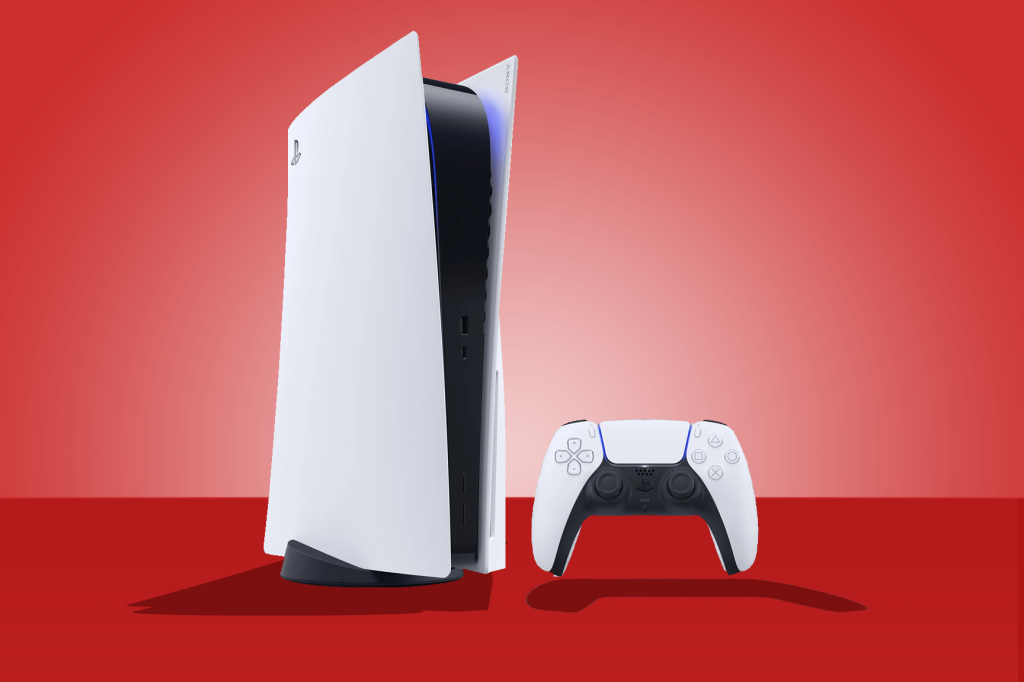
The gaming console market continues to evolve rapidly, with 2026 marking a year of significant innovation and technological advancement. Modern consoles combine powerful hardware, high-definition graphics, fast processing speeds, and extensive online connectivity, offering players immersive gaming experiences across a variety of genres. As the competition intensifies between major companies, including Sony, Microsoft, and Nintendo, gamers are presented with a diverse range of consoles that cater to different preferences, play styles, and budgets. Understanding the features and differences of these systems is essential for choosing the right console in 2026.
The PlayStation 6 leads the market with its cutting-edge hardware and immersive gaming capabilities. Featuring a high-performance GPU and CPU, it delivers near-photorealistic graphics, advanced ray tracing, and smooth gameplay even in demanding titles. The console supports 8K resolution and high refresh rates, providing visually stunning and responsive experiences. Its advanced haptic feedback and adaptive controller technology allow players to feel in-game actions with greater realism, enhancing immersion and engagement. PlayStation 6 also integrates AI-driven game optimization, adapting in real-time to player behavior and environmental conditions, creating a more dynamic and personalized gaming experience.
Microsoft’s Xbox Series Z emphasizes cloud gaming and backward compatibility, enabling players to access a vast library of titles from previous generations while streaming new games directly to their consoles. Its integration with the Xbox Game Pass subscription service allows users to explore hundreds of games without individual purchases, democratizing access to premium content. The console boasts powerful hardware, including a custom GPU optimized for next-generation graphics and AI-assisted gameplay mechanics. With seamless integration into the broader Microsoft ecosystem, Xbox Series Z supports cross-platform play, multiplayer connectivity, and cloud-based game saves, making it an ideal choice for players who value versatility and social interaction.
Nintendo continues to innovate with hybrid console design, offering the Nintendo Switch 2, which combines portable and home gaming capabilities. Its modular design allows players to seamlessly transition between handheld and docked modes, catering to both casual and dedicated gamers. Nintendo’s console focuses on creativity, accessibility, and family-friendly content, with unique motion controls, touch-screen integration, and innovative game titles. Popular franchises such as The Legend of Zelda: Tears of the Kingdom and Super Mario Odyssey continue to demonstrate the console’s appeal to a wide audience, blending engaging gameplay with imaginative worlds.
A key trend in 2026 is the convergence of consoles and cloud-based gaming. Both Sony and Microsoft are investing heavily in cloud infrastructure, allowing players to stream games directly to consoles, PCs, or mobile devices without needing high-end hardware. This reduces barriers to entry, expands the gaming ecosystem, and enables instant access to large libraries of games. Cloud gaming also facilitates cross-platform play, allowing gamers on different devices to interact and compete in shared environments, further unifying the gaming community.
Performance and graphics remain central to console comparison. The latest generation consoles prioritize fast load times, seamless frame rates, and high-fidelity visuals. Solid-state drives (SSDs) and advanced GPUs minimize lag, reduce latency, and allow for complex game worlds with rich textures and detailed physics simulations. AI-driven game mechanics create adaptive experiences, adjusting difficulty, environmental factors, and NPC behavior in real time to maintain player engagement.
Online connectivity and social features are also crucial. Modern consoles offer integrated voice chat, live streaming, competitive leaderboards, and community hubs. Multiplayer functionality enables collaborative or competitive play with friends and strangers worldwide. Subscription services provide regular content updates, exclusive games, and access to digital marketplaces, enhancing the value proposition for players and fostering long-term engagement.
Despite their advancements, consoles face challenges. Pricing, hardware shortages, and compatibility issues can affect adoption. Developers must optimize games across different hardware configurations while maintaining consistent performance. Additionally, cloud gaming introduces concerns about latency, internet accessibility, and data security, which companies must address to ensure a reliable and enjoyable experience.
Looking ahead, console gaming will continue to evolve with advances in virtual reality, augmented reality, AI-driven gameplay, and cloud streaming. Modular designs, adaptive controls, and immersive hardware enhancements will create more interactive and realistic experiences. As consoles integrate with broader digital ecosystems, players can expect seamless access to content across multiple devices, creating a unified and versatile gaming environment.
In conclusion, the top gaming consoles of 2026 showcase technological innovation, immersive gameplay, and a variety of experiences for players of all levels. PlayStation 6 delivers cutting-edge graphics and haptic immersion, Xbox Series Z emphasizes cloud gaming and versatility, and Nintendo Switch 2 offers hybrid portability and creative gameplay. With cloud integration, advanced hardware, and enhanced social features, these consoles define the future of gaming, ensuring that players have diverse, engaging, and accessible ways to experience interactive entertainment.