
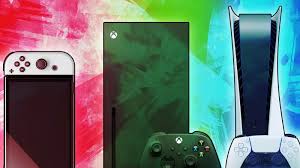
Cross-platform gaming has emerged as one of the most significant innovations in modern video games, allowing players on different devices to play together seamlessly. Historically, gaming communities were divided by platform—console, PC, or mobile—limiting social interaction and competitive opportunities. Today, cross-platform functionality breaks down these barriers, enabling friends and competitors to connect, collaborate, and compete regardless of their device. This shift has reshaped the gaming industry, influencing game design, community development, and the way players interact globally.
The concept of cross-platform gaming relies on interoperability between different hardware and software systems. Players on a PlayStation 6 can now compete with users on an Xbox Series Z, a gaming PC, or even a mobile device. This is made possible through unified servers, cloud computing, and standardized networking protocols that synchronize gameplay across multiple platforms in real time. Games such as Fortnite, Minecraft, and Call of Duty: Warzone have successfully implemented cross-platform play, creating vast, unified communities and broadening the player base for developers.
One of the most significant benefits of cross-platform gaming is social connectivity. Friends and communities no longer need to own the same device to play together. This inclusivity strengthens social bonds and encourages collaboration, fostering vibrant communities that transcend hardware limitations. Multiplayer experiences, guilds, and tournaments become more engaging when players can invite friends from any platform, reducing barriers to participation and enhancing the social appeal of gaming.
Cross-platform functionality also positively impacts competitive gaming and esports. With a larger and more diverse pool of players, matchmaking systems can create more balanced and competitive experiences. Players face opponents of varying skill levels, strategies, and playstyles, which enhances the challenge and keeps games dynamic and engaging. Esports titles such as Rocket League have embraced cross-platform competition, allowing players from different consoles and PCs to compete in the same tournaments, further unifying global competitive scenes.
From a development perspective, cross-platform gaming encourages innovation and efficiency. Developers must design games that operate smoothly across different hardware, screen resolutions, and control schemes. This often involves creating adaptive interfaces, scalable graphics, and intuitive controls for various devices. While this increases development complexity, it also expands potential audiences and revenue streams, as players from multiple platforms can access the same game without restrictions. The broader reach helps developers build larger communities and sustain engagement over time.
Cloud gaming technology has further enhanced cross-platform experiences. Services like Google Stadia, NVIDIA GeForce Now, and console-integrated cloud systems allow players to stream games to devices that may not have native hardware support. This eliminates traditional performance barriers and enables seamless cross-platform play, ensuring consistent gameplay experiences regardless of the device. Players can start a game on a console, continue on a PC, and even switch to a mobile device without losing progress.
Cross-platform gaming also supports a more inclusive and diverse gaming ecosystem. It reduces hardware dependency, enabling players from different regions and economic backgrounds to participate in multiplayer games. The expanded accessibility contributes to a more global player base, where cultural exchange and varied gaming perspectives enrich experiences. This inclusivity promotes community growth, creativity, and collaboration, strengthening the overall gaming culture.
Despite its advantages, cross-platform gaming presents challenges. Developers must address issues related to input balance, as players using different devices may have advantages or disadvantages depending on controls, screen size, or latency. Security, anti-cheat measures, and platform-specific policies can complicate integration, requiring robust systems to ensure fair play and data protection. Additionally, maintaining consistent performance across diverse hardware configurations demands careful optimization and testing.
Looking ahead, cross-platform gaming is expected to become a standard feature in the industry. Integration with cloud gaming, virtual reality (VR), and augmented reality (AR) will expand possibilities for multiplayer interaction, while AI-driven matchmaking will enhance fairness and competitiveness. Cross-platform play will continue to unify global communities, allowing players from various devices and regions to share experiences, build connections, and participate in collaborative and competitive gameplay.
In conclusion, cross-platform gaming has transformed the way people play, socialize, and compete, breaking down barriers between devices and fostering inclusive, unified communities. By enabling seamless interaction across consoles, PCs, and mobile platforms, cross-platform functionality enhances social connectivity, competitive balance, and accessibility. While challenges remain in input parity, security, and optimization, the benefits of a connected gaming ecosystem are clear. As technology advances, cross-platform gaming will continue to shape the social, competitive, and cultural landscape of the industry, ensuring that players worldwide can engage and interact without limits.