
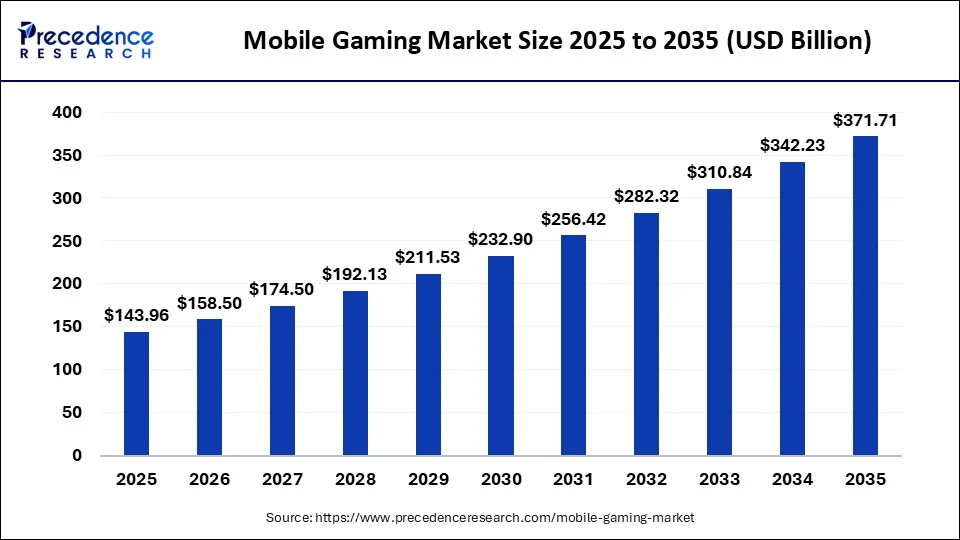
Mobile gaming has become one of the fastest-growing sectors in the gaming industry, driven by advances in smartphone technology, widespread internet access, and the popularity of casual and competitive games. By 2026, mobile gaming is expected to dominate both in revenue and in active players, surpassing traditional consoles and PC gaming in terms of accessibility and global reach. The convenience of mobile devices allows players to enjoy games anytime and anywhere, making mobile gaming a central part of everyday entertainment for millions worldwide.
One of the key drivers of mobile gaming growth is hardware advancement. Modern smartphones feature high-resolution displays, powerful processors, and sophisticated GPUs capable of delivering console-quality graphics and smooth performance. Devices equipped with features such as haptic feedback, high refresh-rate screens, and advanced sensors enhance the gaming experience, making mobile play immersive and responsive. Games like Genshin Impact and PUBG Mobile showcase how mobile devices can support expansive open worlds, detailed graphics, and real-time multiplayer interactions, rivaling traditional gaming platforms.
The accessibility and portability of mobile gaming have expanded its demographic reach. Players of all ages, backgrounds, and skill levels can engage with games on devices they already own. Casual games, including puzzles, strategy, and simulation titles, appeal to users seeking short, entertaining sessions. Meanwhile, competitive multiplayer games and esports-focused mobile titles cater to hardcore gamers. This diversity enables developers to target multiple audiences, increasing engagement and fostering long-lasting player communities.
Monetization strategies also drive mobile gaming’s economic success. Free-to-play models, in-app purchases, and subscription services offer flexible options for players while generating significant revenue for developers. Seasonal events, limited-time content, and cosmetic upgrades incentivize continued play and engagement. Games like Clash Royale demonstrate the effectiveness of these strategies, combining competitive gameplay with ongoing content updates to retain active users and encourage spending.
Cloud gaming and cross-platform integration are reshaping mobile gaming in 2026. With cloud infrastructure, players can stream resource-intensive games to mobile devices without high-end hardware. This opens the door to expansive, console-quality experiences on phones and tablets. Cross-platform play ensures mobile gamers can compete or collaborate with friends on PCs and consoles, unifying communities and broadening engagement. Titles such as Fortnite exemplify this trend, offering seamless experiences across multiple platforms.
Social interaction is a growing feature of mobile gaming. In-game chat, guilds, clans, and multiplayer modes encourage communication and collaboration. Streaming and sharing gameplay highlights via platforms like Twitch and YouTube Gaming amplify community involvement. Mobile games are increasingly designed to foster social bonds, build competitive communities, and encourage cooperative gameplay, creating dynamic ecosystems that extend beyond the game itself.
Technological innovations, including augmented reality (AR), artificial intelligence (AI), and 5G connectivity, are shaping the next phase of mobile gaming. AR games, such as Pokémon GO, blend virtual content with the real world, creating immersive, location-based experiences. AI enhances gameplay by adapting difficulty, predicting player behavior, and generating personalized content. 5G networks provide faster, low-latency connections, enabling real-time multiplayer interactions and cloud streaming without interruptions. These technologies together create richer, more interactive, and socially connected mobile gaming experiences.
Despite its advantages, mobile gaming faces challenges. Device fragmentation, varying performance standards, and battery limitations can affect gameplay quality. Excessive screen time, in-app purchase pressures, and social engagement risks require mindful management. Developers must balance accessibility, engagement, and monetization while ensuring fair play, ethical practices, and user well-being.
In conclusion, mobile gaming in 2026 continues to thrive due to accessibility, hardware improvements, cloud integration, and innovative gameplay experiences. The combination of casual and competitive offerings, cross-platform play, and social connectivity ensures that mobile devices remain a central hub for global gaming communities. As AR, AI, and 5G technologies advance, mobile gaming will become increasingly immersive, interactive, and integrated into daily life, shaping the future of how games are played, shared, and experienced worldwide.