
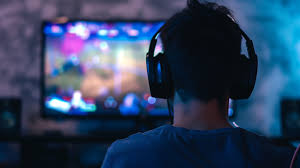
The rise of streaming platforms has transformed gaming from a solitary activity into a global social phenomenon. Services like Twitch, YouTube Gaming, and Facebook Gaming allow players to broadcast their gameplay in real time to millions of viewers worldwide. These platforms have created vibrant communities, fostered new career opportunities, and changed the way games are experienced, shared, and consumed, establishing a new dimension in the gaming ecosystem.
Streaming has democratized content creation, giving players of all skill levels the opportunity to reach global audiences. Amateur gamers, professional players, and entertainers alike can share their experiences, strategies, and personalities with fans. This accessibility has expanded the cultural relevance of gaming, turning platforms into hubs for social interaction, entertainment, and learning. Viewers are not passive spectators; chat features, subscriber interactions, and live polls create dynamic engagement, allowing audiences to influence content in real time.
The social dimension of streaming has strengthened gaming communities by fostering connections among like-minded individuals. Fans gather around shared interests, game genres, or favorite streamers, forming virtual communities that transcend geographic boundaries. Streamers often act as community leaders, moderating interactions, encouraging collaboration, and hosting events such as tournaments, challenges, and charity streams. Games like Fortnite and Minecraft have particularly benefited from streaming culture, as live broadcasts amplify engagement, showcase creative content, and inspire viewers to participate in the game themselves.
Streaming platforms also provide significant opportunities for monetization and professional growth. Streamers can generate income through subscriptions, donations, sponsorships, and advertising, transforming a hobby into a full-fledged career. Professional esports players use streaming as a platform to expand their brand, interact with fans, and increase visibility. Organizations, sponsors, and advertisers recognize the potential of these platforms to reach targeted audiences, leading to investments in partnerships, branded content, and promotional campaigns. The financial ecosystem surrounding streaming has expanded rapidly, making it a central component of the gaming industry.
Educational and skill-building aspects are another important element of streaming. Many streamers provide tutorials, strategy guides, and gameplay analyses, helping viewers improve their skills and learn new techniques. This sharing of knowledge creates a culture of mentorship and collaboration, where experienced players contribute to the growth of newer or less experienced gamers. Live feedback and interactive commentary further enhance learning, making streaming a unique tool for both entertainment and education.
Streaming has also played a critical role in shaping gaming trends and influencing the industry. Viewer engagement and popularity metrics directly impact which games gain traction, which mechanics are adopted, and which titles receive ongoing updates. Games like Among Us experienced sudden surges in popularity largely due to streaming, highlighting the symbiotic relationship between content creators and game developers. Platforms act as cultural amplifiers, turning innovative gameplay concepts into global phenomena.
However, the growth of streaming presents challenges. Moderation of content, harassment, and toxic behavior remain ongoing concerns for both streamers and viewers. The pressure to maintain a constant presence, engage audiences, and monetize content can lead to burnout and mental health challenges. Platforms are investing in moderation tools, community guidelines, and support networks to address these issues, but the balance between engagement and well-being is a continuing challenge for creators.
The future of streaming in gaming promises even more integration and innovation. Advancements in virtual reality (VR) and augmented reality (AR) could create immersive viewing experiences, allowing audiences to “step inside” a streamer’s game world. Interactive features, AI-driven recommendations, and enhanced analytics will improve audience engagement and personalization. As cloud gaming and cross-platform play expand, streaming will continue to bridge players, fans, and creators, making gaming a more interconnected and community-driven experience.
In conclusion, streaming platforms like Twitch have reshaped the way people play, watch, and interact with video games. By enabling real-time broadcasting, fostering vibrant communities, and creating professional opportunities, streaming has elevated gaming into a socially dynamic and globally connected culture. While challenges related to moderation and mental health remain, the influence of streaming on gaming communities, trends, and industry growth is undeniable. As technology advances and interactivity deepens, streaming will continue to define the social and cultural landscape of gaming for years to come.