
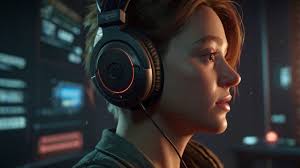
Sound design is a critical component of modern video games, shaping player perception, emotional engagement, and overall immersion. While graphics and gameplay often receive the most attention, audio elements—including music, sound effects, dialogue, and ambient noise—play a vital role in creating compelling and memorable gaming experiences. Effective sound design enhances storytelling, guides player behavior, and heightens the emotional impact of gameplay, making it an essential aspect of game development.
One of the primary functions of sound in gaming is to establish atmosphere and mood. Background music, environmental sounds, and ambient effects help convey the tone of a scene and influence player emotions. For example, tense orchestral scores or eerie soundscapes can create suspense and anxiety, while upbeat melodies and dynamic rhythms can energize players and reinforce a sense of excitement. Games like Silent Hill 2 and The Legend of Zelda: Breath of the Wild demonstrate how audio cues and music design can evoke strong emotional responses, enhancing immersion and player engagement.
Sound design also serves functional purposes in gameplay. Audio cues provide critical information about the game world, guiding players and signaling events or threats. Footsteps, weapon noises, environmental sounds, and auditory warnings help players locate enemies, navigate spaces, and anticipate challenges. In competitive games such as Counter-Strike: Global Offensive and Call of Duty: Warzone, precise audio design is crucial for situational awareness, strategy, and reaction time. By integrating functional sound with visual cues, designers create more intuitive and responsive gameplay experiences.
Immersive audio technologies, including surround sound, binaural audio, and 3D positional sound, have elevated the role of sound in gaming. These technologies simulate spatial environments, allowing players to perceive sound direction, distance, and movement accurately. In virtual reality (VR) and augmented reality (AR) games, accurate spatial audio enhances realism and deepens immersion, making players feel present within the game world. Titles like Half-Life: Alyx utilize advanced audio techniques to create rich, believable environments that respond dynamically to player actions.
Voice acting and dialogue are integral elements of sound design, contributing to storytelling, character development, and emotional engagement. High-quality voice performances bring characters to life, making narratives more compelling and believable. Games such as The Last of Us Part II and Mass Effect 2 demonstrate how voice acting, combined with ambient audio and music, can evoke empathy, tension, and investment in the game world. Dialogue also provides guidance, exposition, and player choice, integrating narrative and gameplay seamlessly through sound.
Dynamic audio systems further enhance interactivity by adapting sound to player actions and environmental conditions. Procedural audio generates effects in real time, responding to variables such as character movement, weather, and object interaction. This adaptability increases realism, encourages exploration, and reinforces immersion. For example, footsteps sound different on various surfaces, weapon fire echoes differently depending on surroundings, and environmental hazards trigger distinct audio cues, enriching the sensory experience of gameplay.
Music composition in games is another vital aspect of sound design. Composers create original scores that reflect narrative themes, character arcs, and emotional beats. Adaptive music changes based on gameplay events, intensifying during combat, softening during exploration, or shifting according to story progression. Games like Journey and Final Fantasy VII Remake use dynamic scores to connect players emotionally to the game world, reinforcing narrative impact and player immersion.
Sound design also fosters accessibility in gaming. Audio cues assist visually impaired players by providing guidance and feedback through non-visual means. Subtitles, directional audio, and descriptive sound effects ensure that games remain engaging and navigable for a broader audience. Inclusive design practices in sound help democratize gaming experiences, ensuring that all players can participate fully in interactive worlds.
Despite its importance, sound design is sometimes overlooked in development prioritization. Achieving high-quality audio requires specialized skills, collaboration between composers, sound engineers, and developers, and significant attention to detail. Balancing audio levels, integrating sound with visual elements, and maintaining performance across platforms are technical challenges that require careful planning and testing.
In conclusion, sound design is a cornerstone of immersive gaming, shaping atmosphere, gameplay, narrative, and emotional engagement. Music, sound effects, dialogue, and spatial audio work together to create dynamic, interactive, and memorable experiences. From guiding player behavior to enhancing storytelling, effective sound design elevates games beyond visual spectacle, making them emotionally resonant and deeply engaging. As technology advances, the role of sound in gaming will continue to expand, enriching interactive experiences and ensuring that audio remains a vital element of game design.